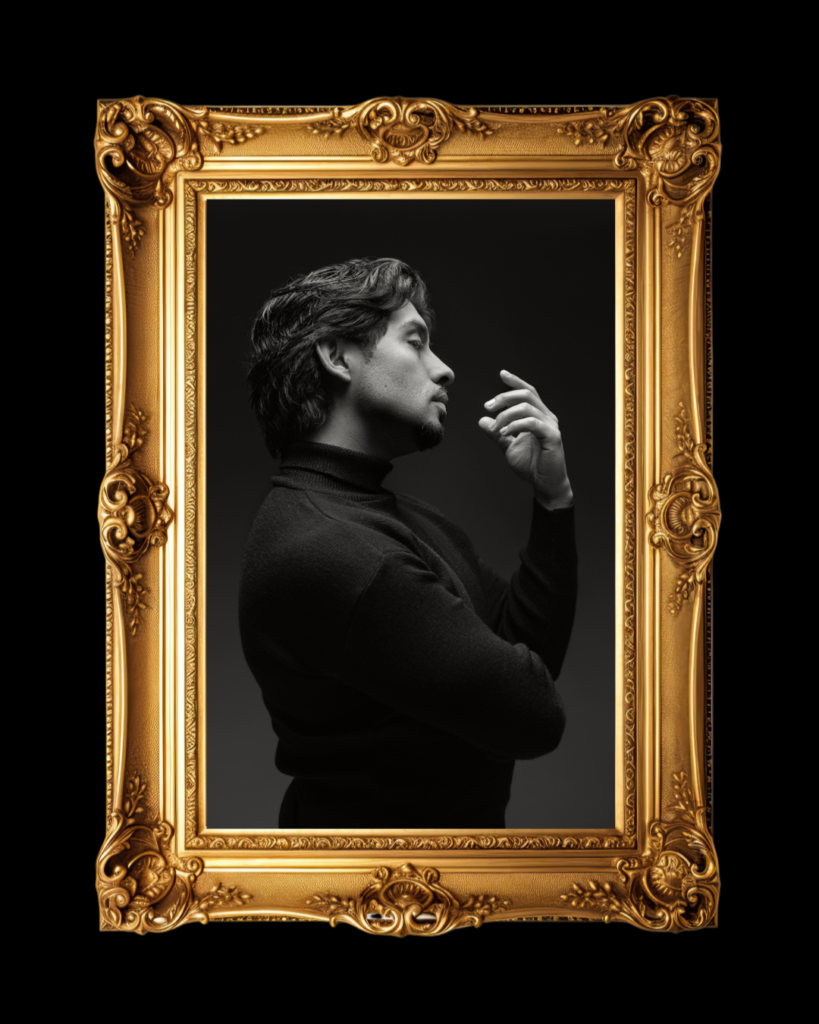
Cultural Dance Specialist, Professional Dance Instructor & Choreographer
Andrés is a professionally trained dancer, choreographer, and dance instructor from Santiago, Chile, with a diverse background in traditional Chilean and Latin American dance, ballroom dance, performance, and dance education.
His passion for dance began at an early age and led him to pursue university studies in Dance in Santiago, where he developed a strong foundation in technique, musicality, movement, performance, choreography, and dance education.
Throughout his career, Andrés has developed a special connection to the traditional dances and cultural expressions of his native Chile. His background includes experience with Cueca, Chile’s national dance, along with other Chilean and Latin American dance traditions. Through this training, Andrés has developed an appreciation for the history, music, character, and cultural identity represented through dance.
In addition to his cultural dance background, Andrés has extensive experience in ballroom and partner dancing. He has participated in ballroom competitions in Chile at the national level and has represented his country in competitions at the Latin American level. These experiences have strengthened his understanding of partnering, musicality, technique, discipline, physical conditioning, and performance.
As a choreographer and dance educator, Andrés combines his academic training, cultural background, and performance experience to create an engaging approach to dance. He enjoys helping students understand not only movement and technique, but also the music, character, traditions, and cultural influences that give each dance its unique identity.
At Fred Astaire Dance Studios Marlboro, Andrés shares his Chilean heritage and international dance experience while helping students develop confidence, coordination, musicality, and a deeper appreciation for dance and its cultural roots.
For Andrés, dance is more than learning steps. It is a way to connect with music, culture, movement, and personal expression. He believes that understanding where a dance comes from and the traditions that shaped it allows students to experience dance in a more meaningful and authentic way.